A concise planning guide to clarify goals, budget, schedule, risk, and future needs.
A construction project represents a significant commitment of money, time, and organizational attention. Before design advances or contracts are signed, owners can improve the project by answering a few fundamental questions. Clear answers give the project team a useful decision framework and make it easier to recognize gaps while changes are still manageable.
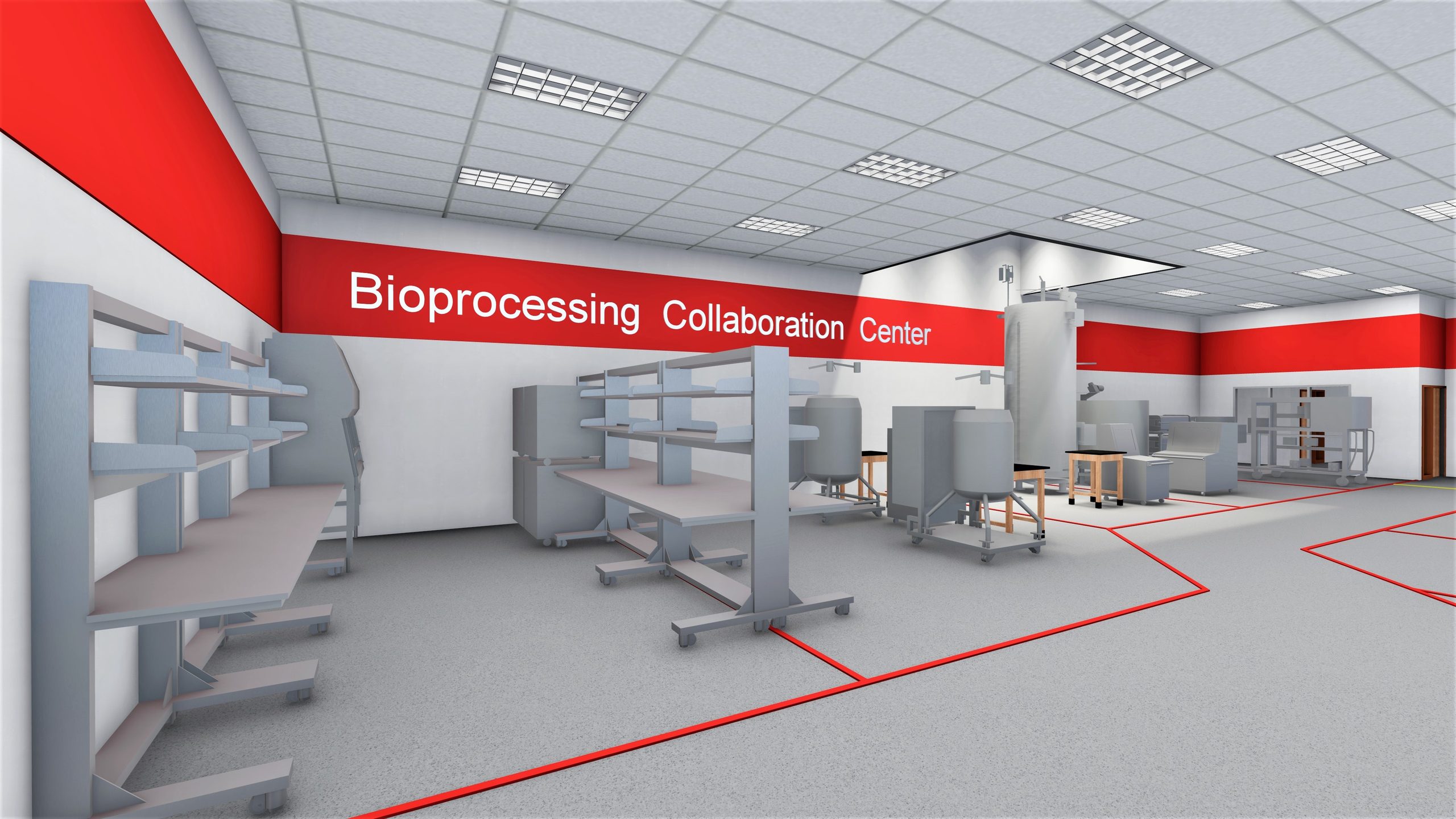
First, what does success look like? The answer should describe the operational result, not simply the completed building. Second, who needs to be involved in decisions? Identifying users, facility staff, leadership, and other stakeholders early helps the team gather requirements and establish a practical approval process.
Third, what budget and schedule are realistic? The project budget should account for construction as well as design, permits, equipment, technology, move-in needs, contingency, and other owner costs that apply. The schedule should reflect design, approvals, procurement, construction, commissioning, and occupancy. Early validation helps align expectations with the available resources.
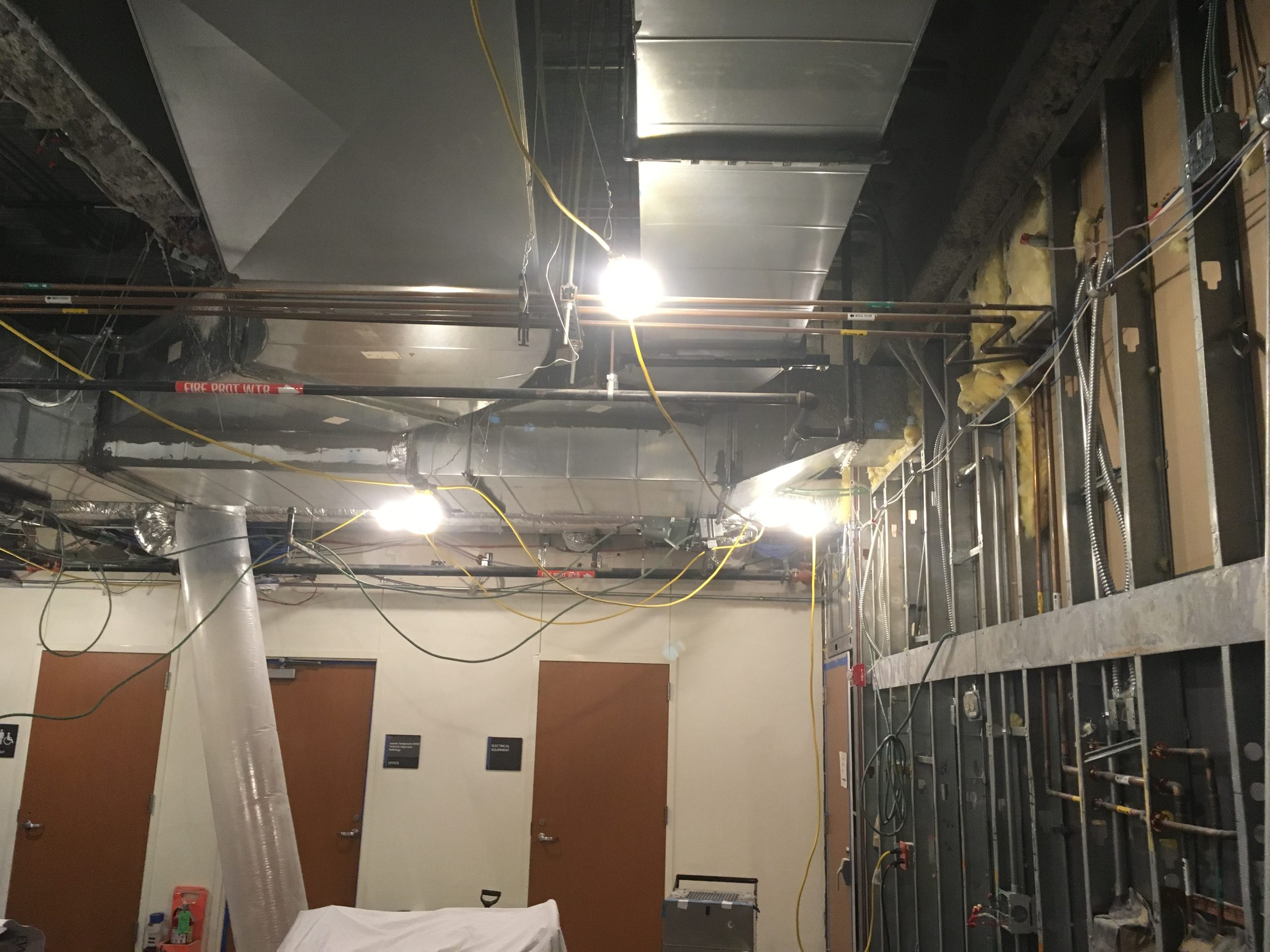
Fourth, what could disrupt the project or ongoing operations? Site conditions, utility interruptions, long-lead materials, access restrictions, permitting, and occupied spaces can influence delivery. Fifth, how might the facility need to change in the future? Considering expansion, new equipment, different workflows, or changing technology can reveal options worth preserving during the initial project.
These questions do not replace detailed planning. They create the foundation for it. Owners who define success, organize decision-making, test cost and schedule assumptions, identify risk, and consider future needs give their project teams clearer direction. That clarity supports stronger collaboration and more informed decisions from concept through completion.
Key Takeways:
- What operational result will define success?
- Who must participate in requirements and approvals?
- What budget and schedule are realistic?
- What risks could affect delivery or operations?
- How might the facility need to change later?