A practical framework for comparing renovation with new construction.
When a facility no longer supports operations, owners often face a major decision: renovate the existing building or pursue new construction. The right answer depends on more than the initial price. Facility condition, operational disruption, long-term flexibility, location, schedule, and lifecycle cost all influence which path creates the strongest value.
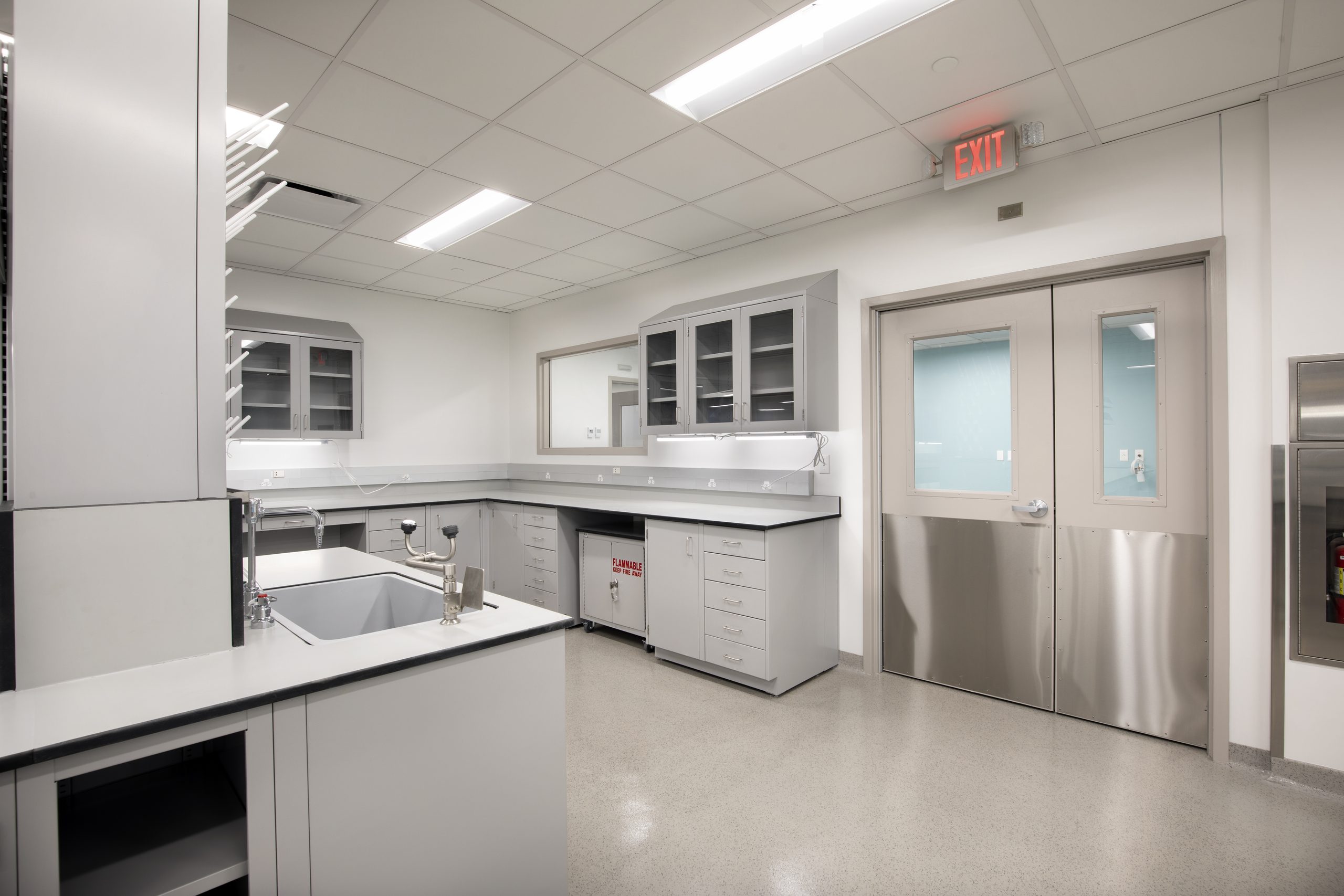
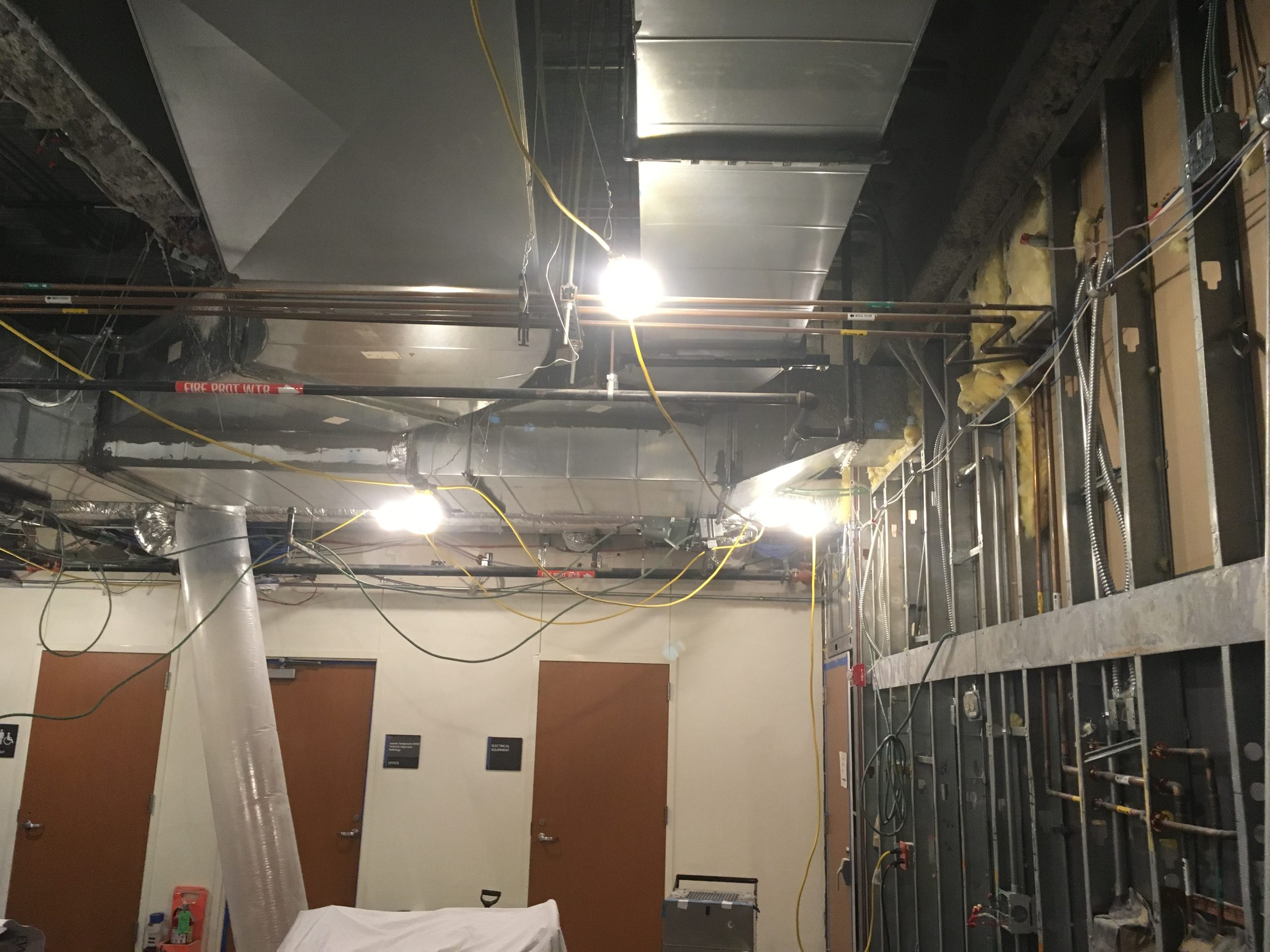
Renovation can be attractive when the structure is sound, the location remains useful, and existing systems can be upgraded efficiently. It may preserve a familiar facility, make use of existing infrastructure, and address needs in targeted phases. A detailed facility assessment is essential because hidden conditions, outdated utilities, code requirements, and limited access can change the scope after work begins.
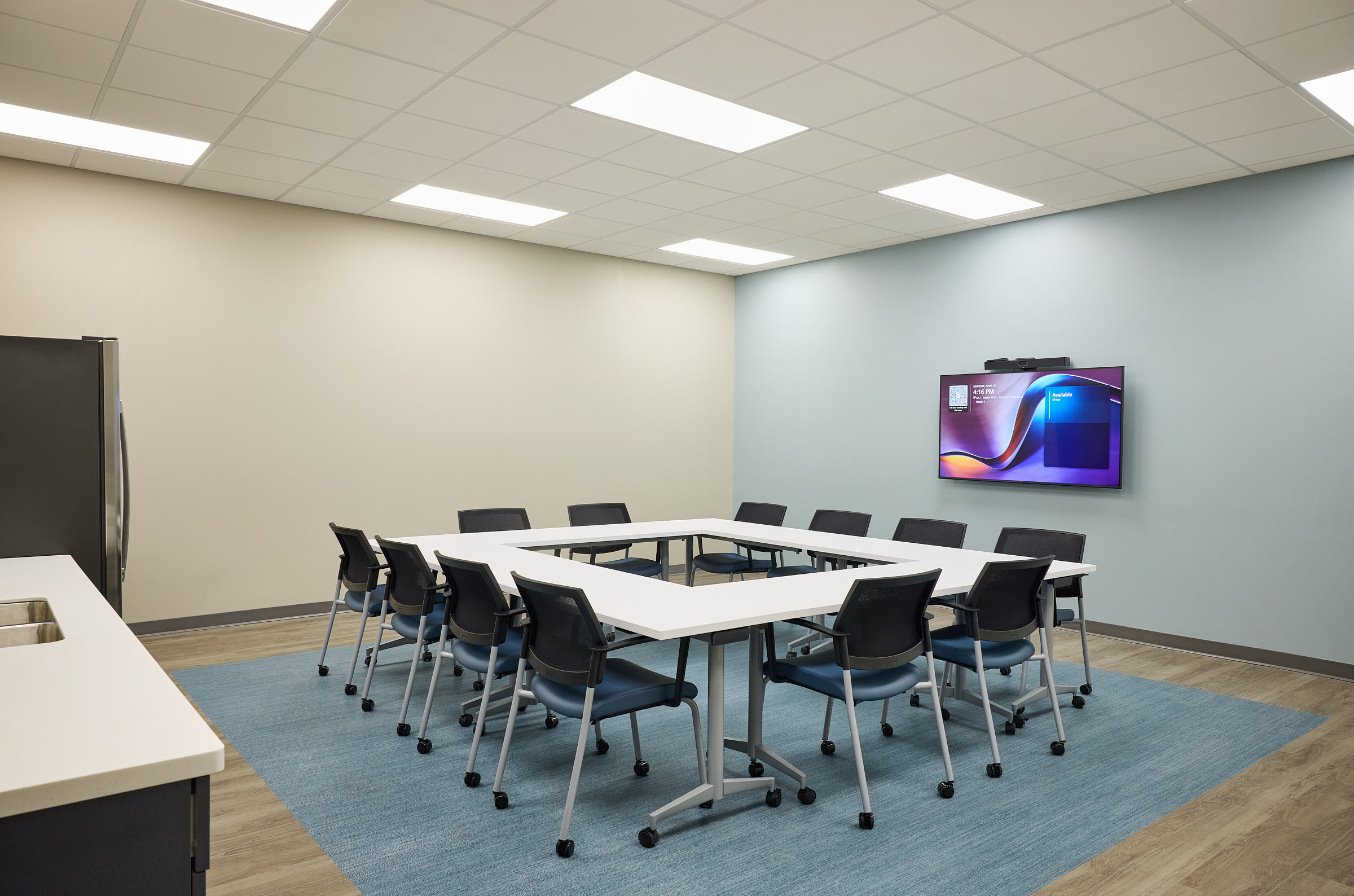
New construction may be the better option when the existing building severely limits workflow, capacity, energy performance, or future expansion. Starting with a new design gives owners more freedom to align the facility with current operations and long-term goals. It also introduces separate considerations, including site development, permitting, utility service, and the transition from the old facility to the new one.
Operational impact deserves equal weight. Work inside an occupied building may require temporary partitions, alternate routes, off-hours activity, and phased turnover. New construction can separate much of the work from daily operations, but the organization still needs a move-in and commissioning plan. Comparing both options should include how each approach affects employees, customers, patients, students, or production.
A sound decision begins with clear priorities and a side-by-side analysis of cost, risk, schedule, disruption, and long-term usefulness. Early input from design and construction partners can reveal constraints and opportunities before the owner commits to a direction. The goal is not simply to choose the lowest first cost. It is to select the option that best supports the organization over the life of the facility.
Key Takeways:
- Assess the existing facility before defining the solution.
- Compare lifecycle value, not only initial cost.
- Account for operational disruption and transition planning.
- Evaluate how each option supports future needs.