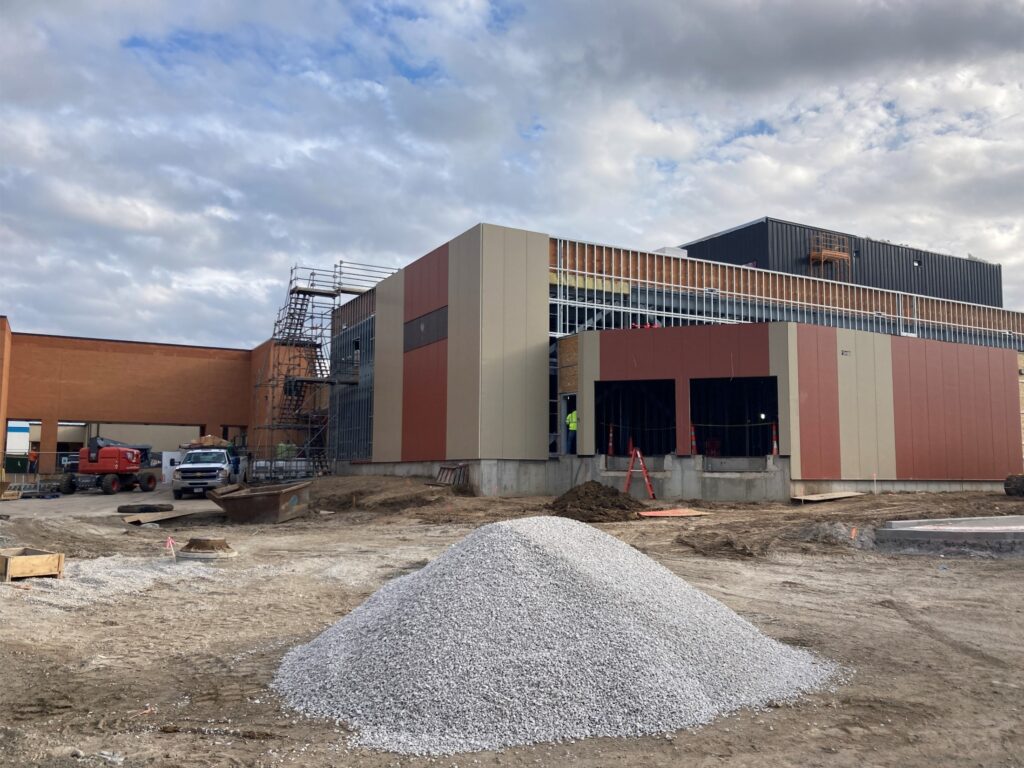
How thoughtful preconstruction planning can help owners manage changing costs, reduce risk, and protect long-term project value.
Capital projects are among the most important investments an organization can make, whether the goal is expanding operations, modernizing facilities, improving efficiency, or supporting future growth. Yet today’s construction environment presents a unique challenge: costs can change rapidly due to fluctuations in labor availability, material pricing, supply chain conditions, and market demand. For facility owners and decision-makers, careful planning has never been more important.
The good news is that uncertainty does not have to derail a project. Successful projects often begin with a strong preconstruction process that focuses on defining goals, validating budgets, and identifying potential risks early. Investing time in planning allows owners to make informed decisions before significant dollars are committed. It also creates opportunities to evaluate alternative materials, construction methods, and phasing strategies that can help control costs without compromising quality or performance.
One of the most effective ways to manage uncertainty is through collaboration. When owners, designers, and construction partners are aligned from the beginning, they can work together to uncover opportunities for value engineering, schedule improvements, and risk reduction. Value engineering is not simply about reducing costs. It is about finding smarter solutions that achieve project objectives while maximizing long-term value. Early collaboration can also identify potential challenges related to procurement, permitting, or facility operations before they become costly problems.
Another important consideration is flexibility. Market conditions can change between the planning stage and project completion, particularly on larger or more complex projects. Building contingencies into budgets, evaluating phased construction approaches, and regularly updating cost estimates can help organizations adapt as conditions evolve. Projects in occupied, regulated, or mission-critical environments often benefit from this approach because it minimizes disruption while preserving the ability to respond to changing circumstances.
Ultimately, capital project success is less about predicting every market change and more about preparing for them. Organizations that establish clear goals, engage experienced project partners early, and prioritize proactive planning are better positioned to navigate uncertainty with confidence. A well-planned project creates fewer surprises, supports better decision-making, and helps ensure that investments deliver value long after construction is complete. For companies facing important facility decisions, the best time to begin managing risk is before construction starts.
| Key Lessons: Invest in thorough preconstruction planning and budgeting. Collaborate early with design and construction partners. Use value engineering to improve value, not simply reduce costs. Maintain flexibility through contingencies and phased approaches. Focus on proactive risk management rather than reacting to changes. |