A look at the people, skills, technology, and career paths that bring projects to life.
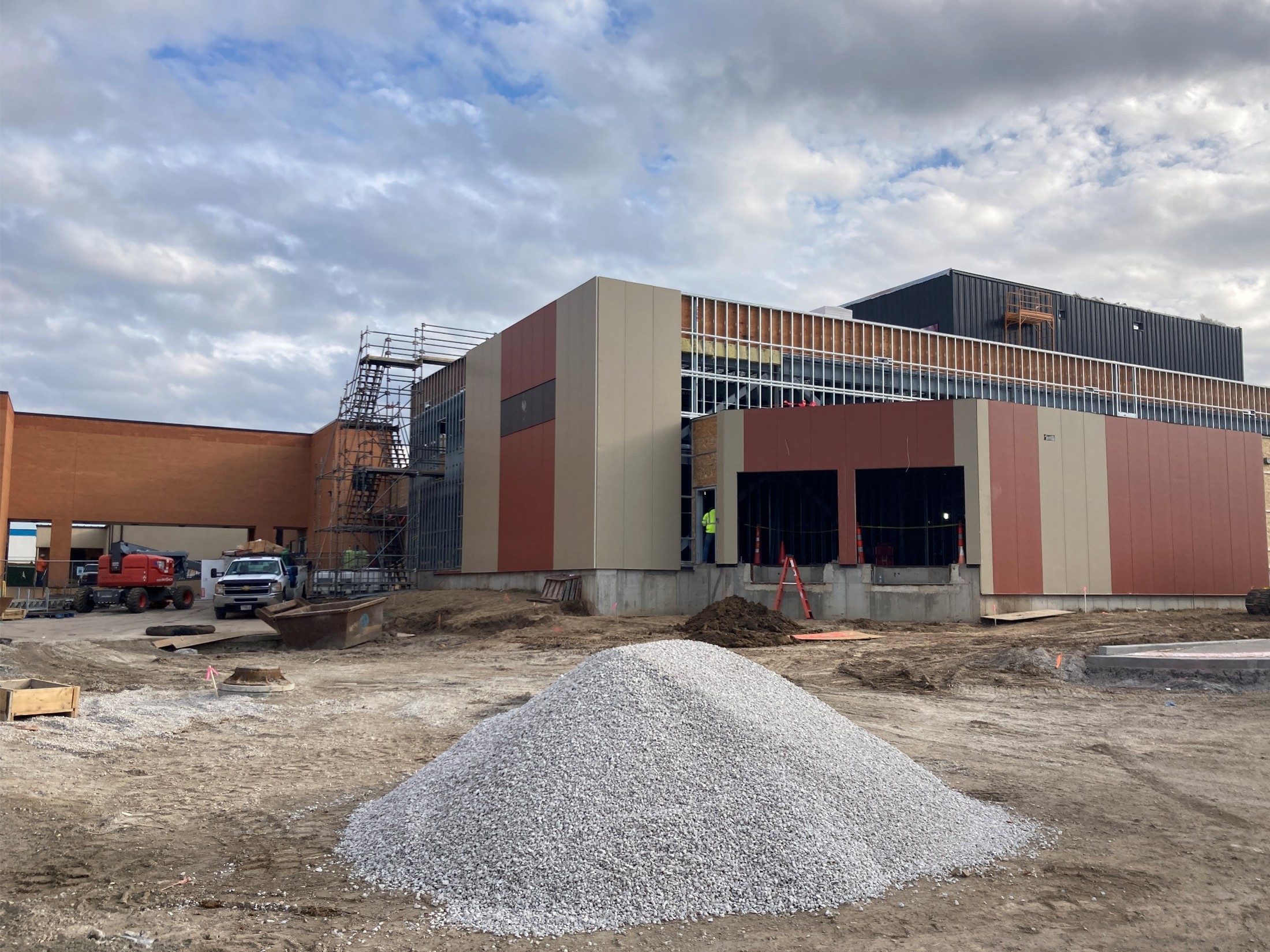
Modern construction is a team effort that combines skilled trades, project management, estimating, engineering, safety, technology, and business operations. Every completed facility reflects the work of people who solve practical problems, coordinate complex information, and turn plans into a functioning space. For job seekers, that variety creates many entry points into the industry.
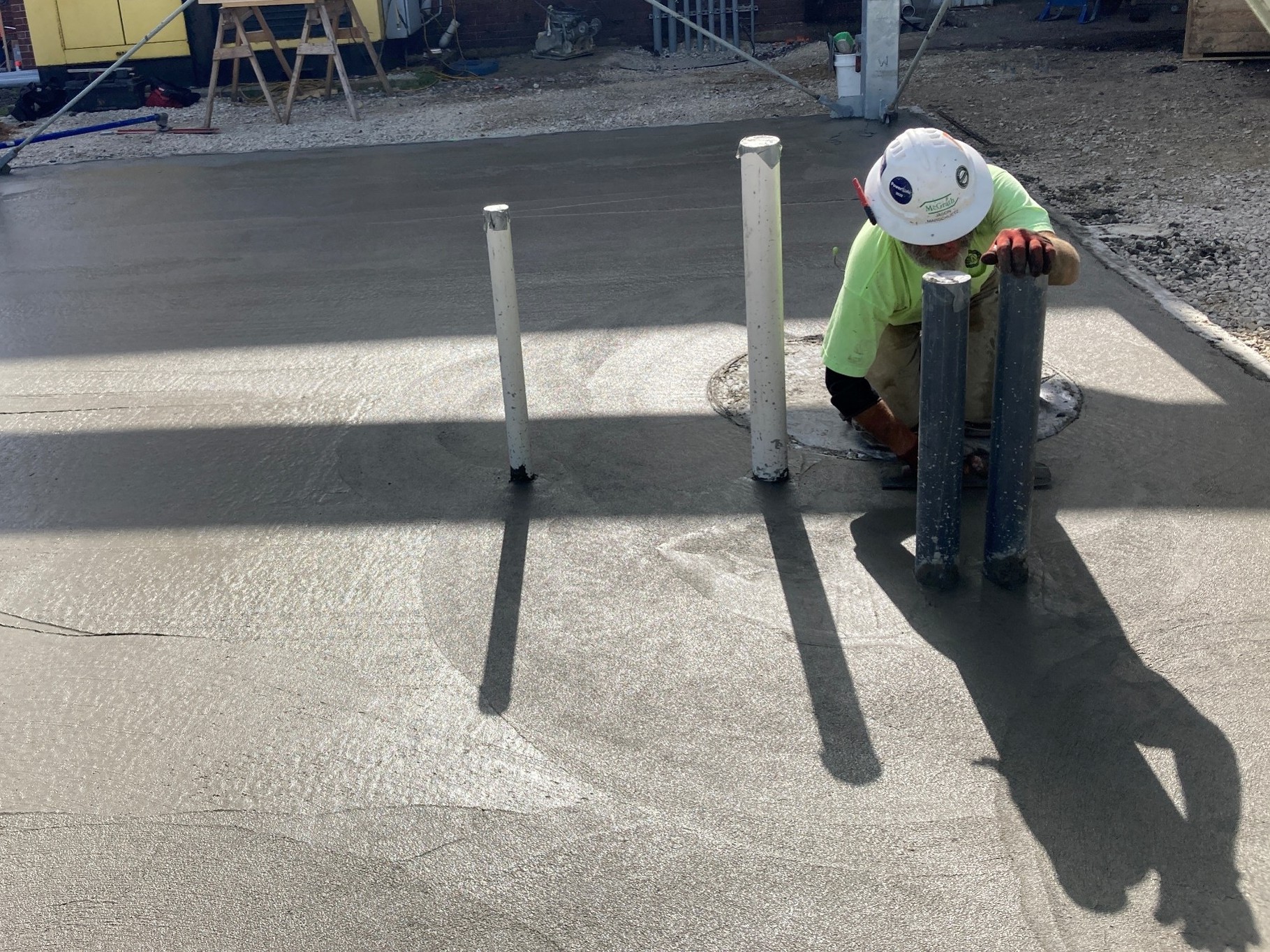
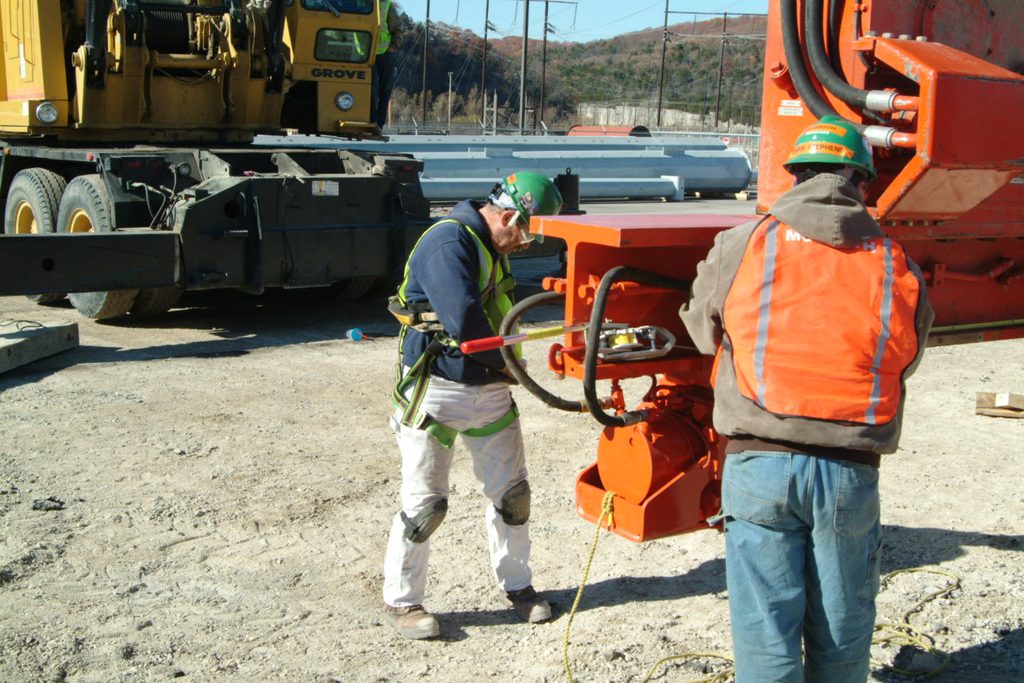
Skilled craft professionals remain essential. Carpenters, electricians, pipefitters, equipment operators, laborers, ironworkers, and other trades bring technical knowledge to the field. These careers reward hands-on ability, precision, teamwork, and continuous learning. Apprenticeship and training pathways can help workers develop specialized skills while gaining experience on real projects.
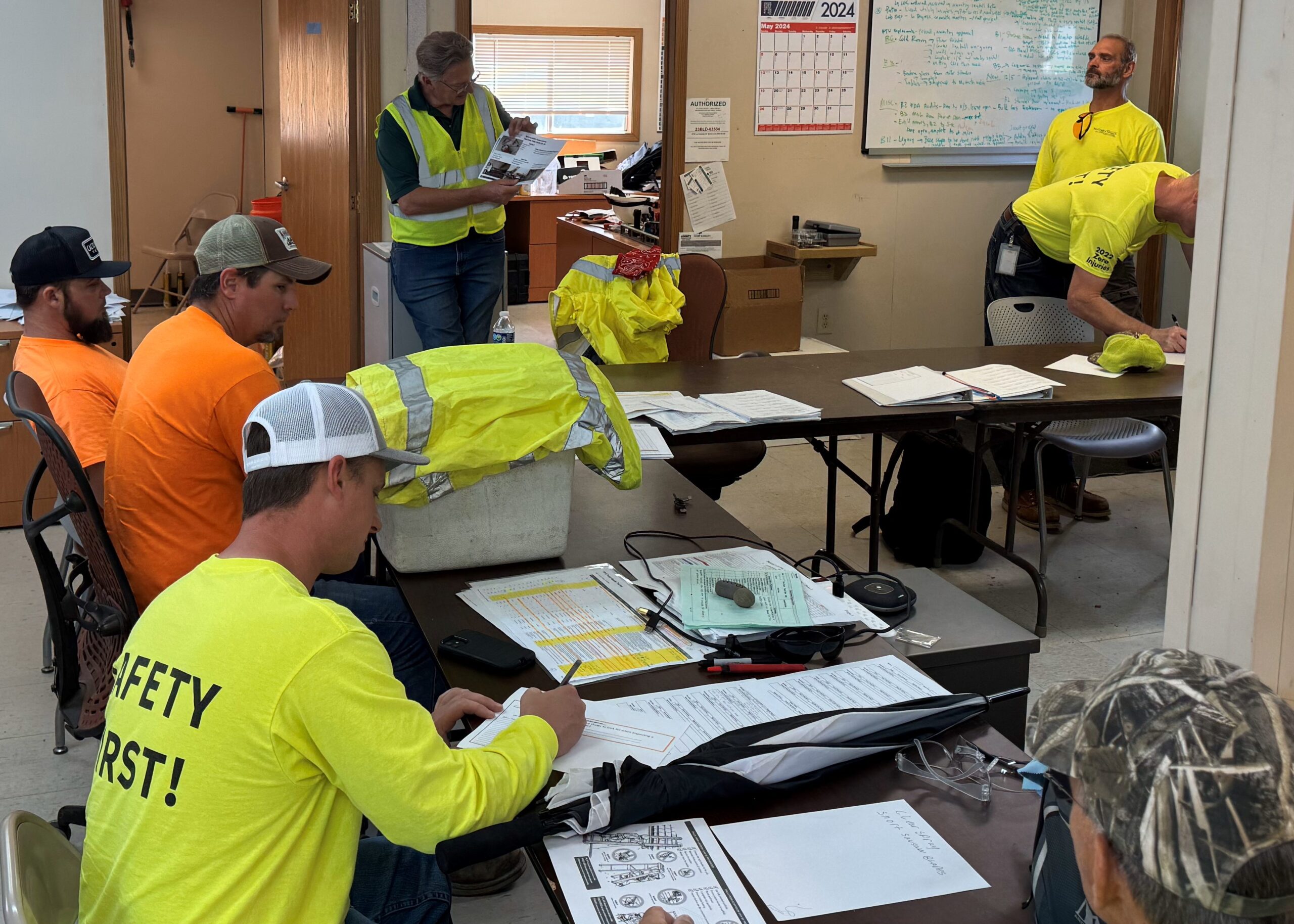
Construction also offers careers in planning and management. Estimators study drawings and scope to develop pricing. Project managers coordinate contracts, schedules, communication, and resources. Superintendents lead field operations, while safety and quality professionals help teams plan and verify the work. Designers, engineers, accountants, marketers, and technology specialists contribute expertise that supports project delivery and the business behind it.
Digital tools are expanding the skills used across these roles. Building information modeling, mobile documentation, scheduling platforms, reality capture, and data analysis help teams coordinate work and communicate more clearly. Technology does not remove the need for field knowledge. It increases the value of people who can connect digital information with real construction conditions.
A career in construction can offer visible results, varied challenges, and room to grow. People can develop deep technical expertise, move into leadership, or build experience across several functions. The industry needs problem-solvers who communicate well, respect the work of others, and take pride in creating facilities that serve businesses and communities.
| Key Takeways: Construction includes field, technical, management, and business careers. Skilled trades combine hands-on work with specialized knowledge. Technology strengthens, rather than replaces, practical experience. Communication and problem-solving support growth in every role. |