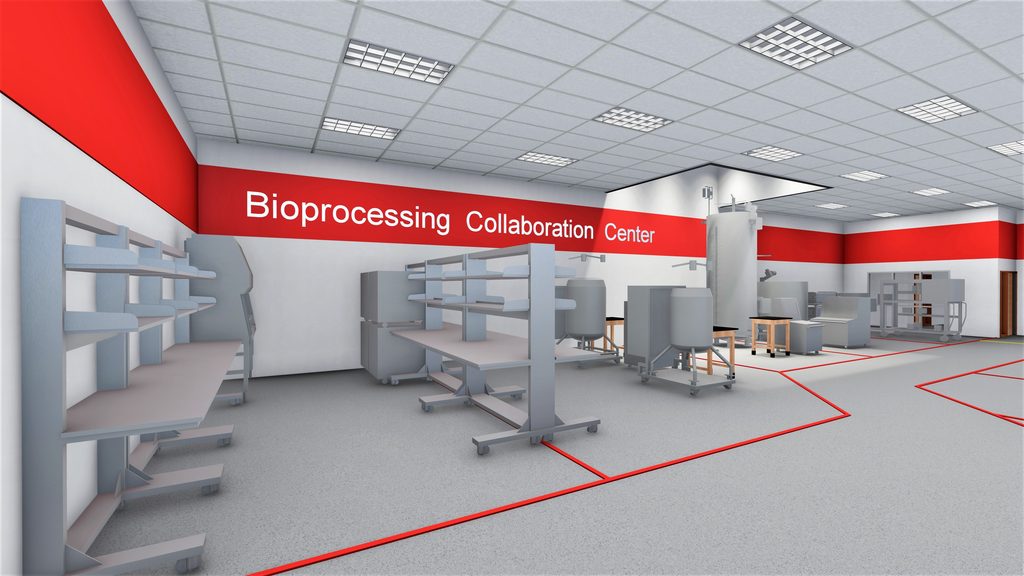
How adaptable planning can extend facility life and reduce future disruption.
A building may serve an organization for decades, while technology, staffing, production, and customer needs can change much faster. Designing for flexibility helps owners respond to that change without rebuilding major portions of a facility. The goal is not to predict every future use. It is to avoid choices that make reasonable change unnecessarily difficult or expensive.
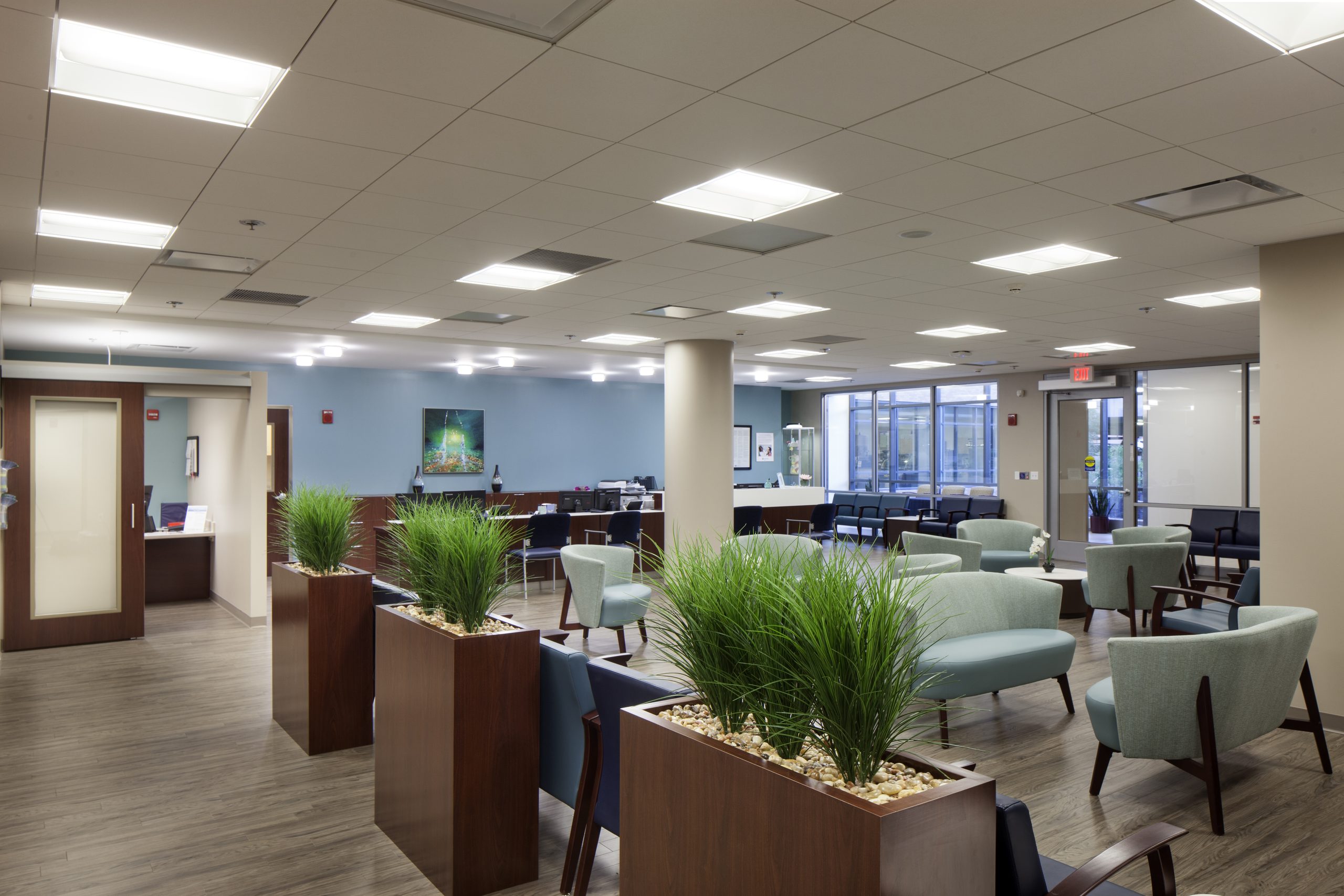
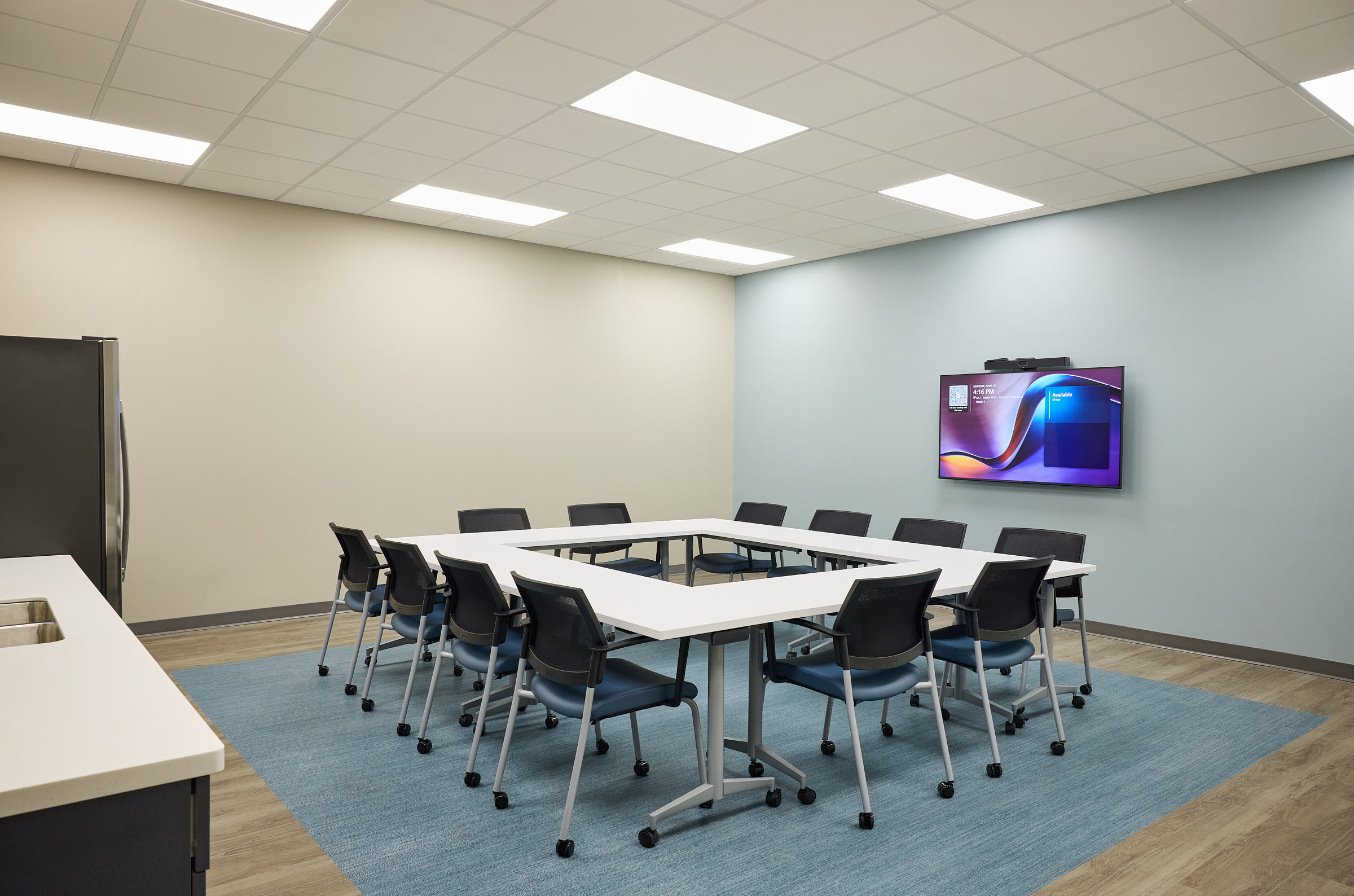
Flexible planning starts with the layout. Regular structural bays, thoughtfully located circulation, and spaces that can support more than one function can make future reconfiguration easier. Owners should also consider which areas are likely to change and which should remain fixed. Concentrating permanent elements in strategic locations can preserve options elsewhere.
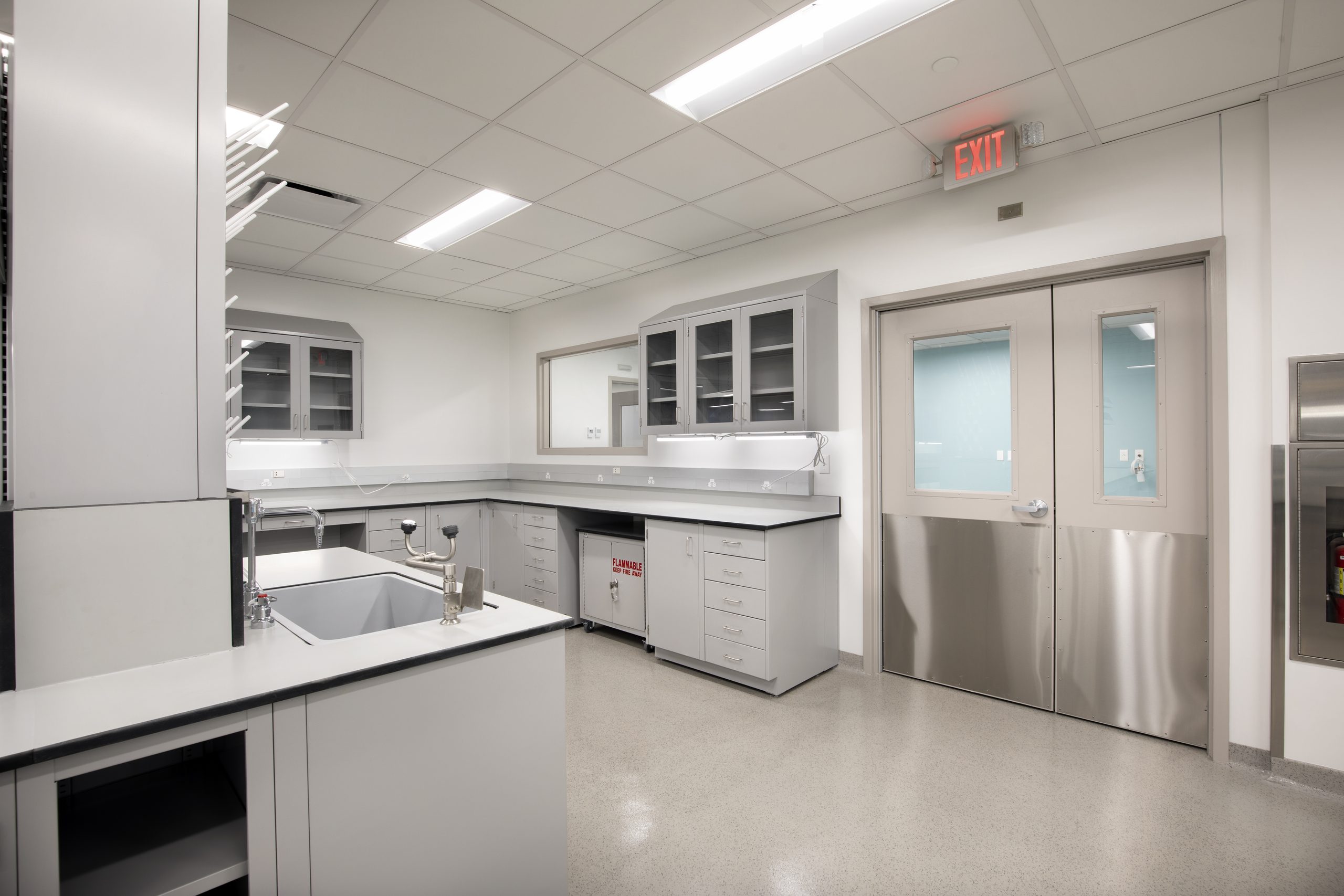
Building systems matter just as much as walls. Electrical capacity, accessible utility routes, modular distribution, and space for future equipment can simplify later upgrades. In technical environments, planning for service access and system expansion may reduce shutdowns when operations evolve. These features require early coordination because adding them after construction can be disruptive.
Flexibility must be balanced with cost and immediate needs. Not every possible future condition deserves an investment today. A practical approach identifies credible scenarios, estimates the consequence of future change, and selects provisions that offer reasonable value. Some measures may involve added capacity, while others simply preserve space, access, or a clear path for expansion.
Adaptable facilities can support growth, reduce future renovation waste, and extend the useful life of the owner’s investment. By discussing future scenarios during planning, project teams can make informed decisions about structure, layout, infrastructure, and phasing. A small amount of foresight can create valuable options long after the initial project is complete.
Key Takeways:
- Identify realistic future scenarios during planning.
- Keep likely-to-change areas adaptable.
- Preserve access and pathways for building-system upgrades.
- Balance future flexibility with present-day value.